
Leadership transitions at the C-suite level can make or break an organization’s future. Whether planned or unexpected, these transitions demand careful preparation to ensure continuity, stability, and growth. A robust succession plan is not just a best practice—it’s a strategic necessity. Here’s how to create an effective succession plan for C-level executives, step by step.
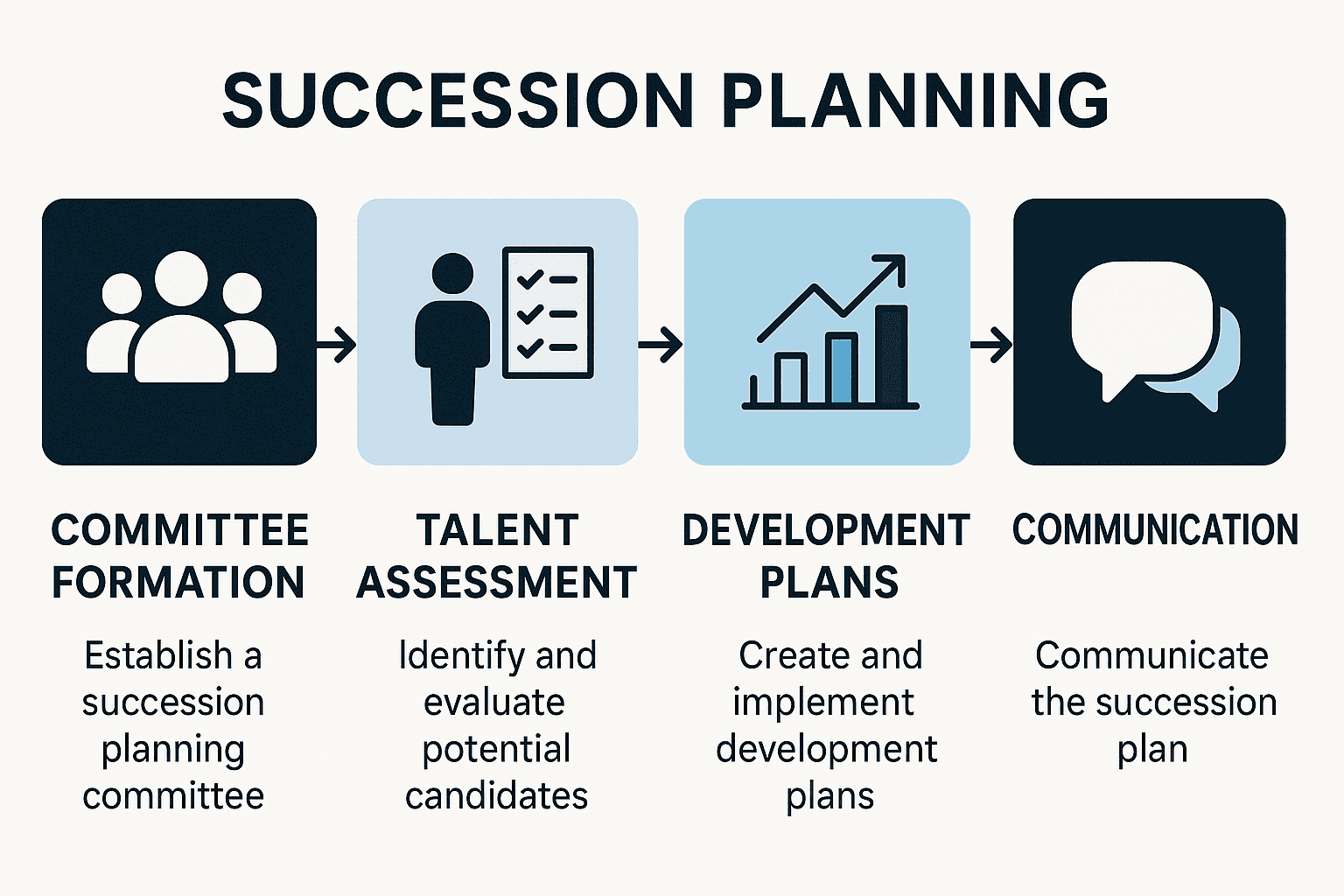
1. Establish a Succession Planning Committee
The first step is to assemble a committee that includes key stakeholders: board members, HR leaders, and current executives. This group will guide the succession process, define responsibilities, and ensure that planning aligns with the organization’s strategic goals. Involving a broad range of leaders—beyond just HR—encourages buy-in and diverse perspectives, which are critical for success12.
2. Identify Critical Roles
Not every executive position carries the same weight. Begin by identifying which C-level roles are most vital to your organization’s success. Analyze the impact of each role on daily operations, long-term strategy, and institutional knowledge. Prioritizing these roles helps focus your succession planning efforts where they matter most3.
3. Define Successor Profiles
For each critical role, develop a detailed profile outlining the required skills, competencies, and experiences. These profiles should reflect both current business needs and future strategic direction. Involving current leaders in defining these criteria ensures that successor profiles are realistic and aligned with company culture5.
4. Assess Current Talent
Next, evaluate internal candidates using performance reviews, leadership assessments, and 360-degree feedback. Look for high-potential employees who demonstrate leadership qualities and share the organization’s vision. This assessment helps identify who is ready for advancement and who may need further development23.
5. Create Development Plans
Once potential successors are identified, design tailored development plans for each. These should include leadership training, mentorship, job rotations, and stretch assignments. The goal is to prepare candidates for the unique challenges of C-level roles, building a deep bench of future leaders46.
6. Leverage External Talent
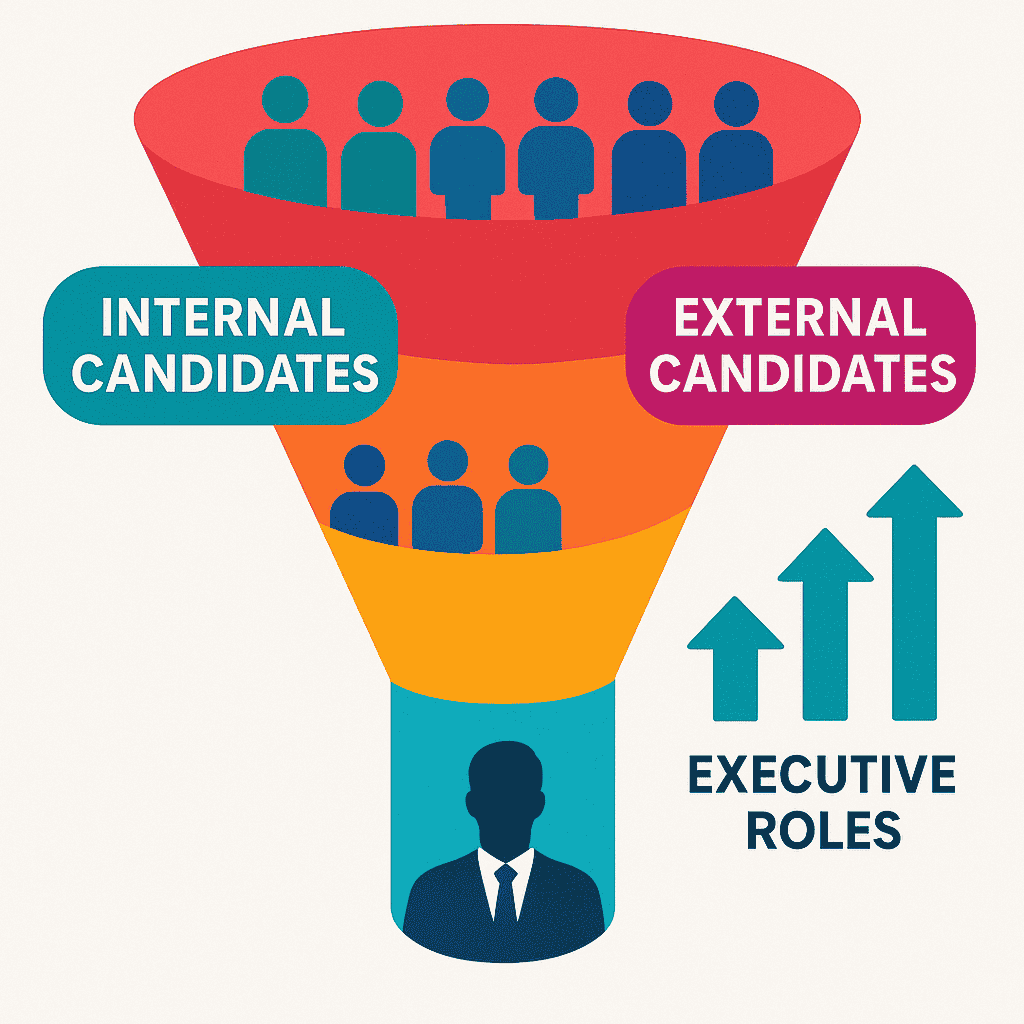
While nurturing internal talent is ideal, it’s wise to maintain a pipeline of external candidates through executive search firms or industry networks. External hires can bring fresh perspectives and fill expertise gaps, ensuring the organization remains competitive and adaptable6.
7. Develop Contingency Plans
Unexpected departures can disrupt even the best-laid plans. Prepare for emergencies by establishing protocols and cross-training employees in key areas. This ensures business continuity and minimizes risk during sudden transitions6.
8. Communicate the Plan
Transparency is essential. Share the succession plan with key stakeholders to build trust and clarify everyone’s role in the process. Open communication fosters alignment and ensures that the plan is executed smoothly when the time comes1.
9. Monitor and Update Regularly
A succession plan is a living document. Regularly review and update it to reflect changes in business needs, leadership requirements, or talent availability. Adjust development plans and successor profiles as necessary to keep the plan relevant and effective25.
A well-crafted succession plan empowers organizations to face leadership changes with confidence. By following these steps, companies can minimize disruption, maintain stability, and position themselves for long-term success—no matter what the future holds.
References :
-
Charan, R., Drotter, S., & Noel, J. (2011). The leadership pipeline: How to build the leadership powered company. Jossey-Bass.
-
Rothwell, W. J. (2010). Effective succession planning: Ensuring leadership continuity and building talent from within (4th ed.). AMACOM.
-
Groves, K. S. (2007). Integrating leadership development and succession planning best practices. Journal of Management Development, 26(3), 239-260. https://doi.org/10.1108/02621710710732146
-
Ready, D. A., & Conger, J. A. (2007). Make your company a talent factory. Harvard Business Review, 85(6), 68-77.
-
Michaels, E., Handfield-Jones, H., & Axelrod, B. (2001). The war for talent. Harvard Business School Press.